
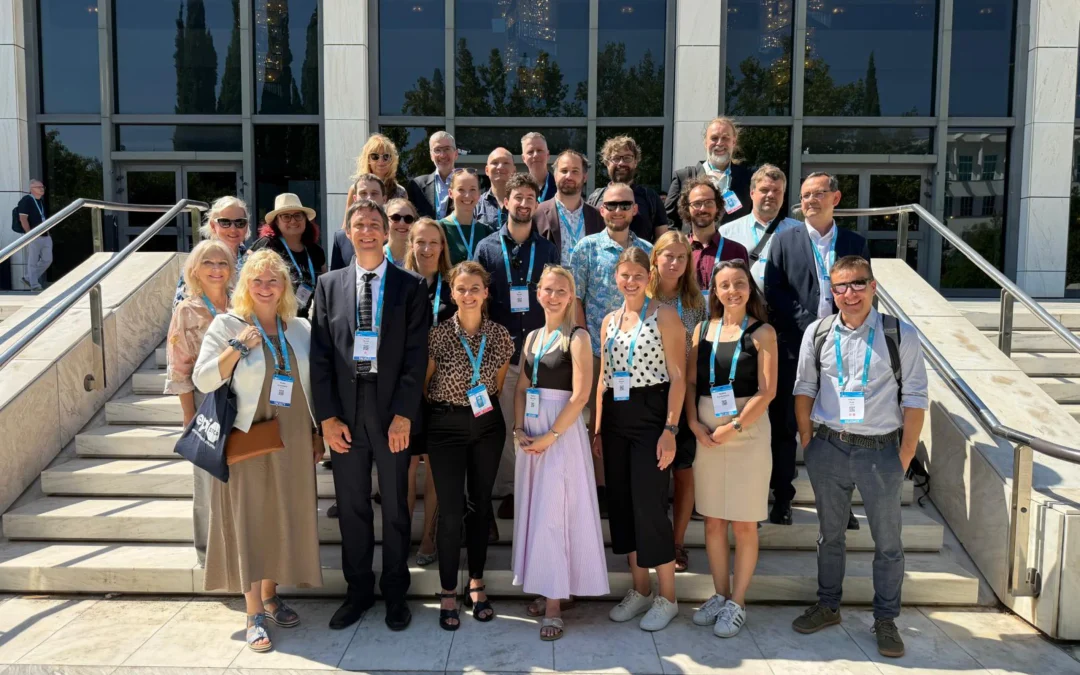
More than 4,000 experts from Europe and around the world came together in Athens for the largest European Epilepsy Congress to date. The congress brought together physicians, researchers and other healthcare professionals, as well as patient advocates and representatives of the pharmaceutical industry. Despite their diverse backgrounds, all participants shared a common goal: to advance our understanding of epilepsy and, ultimately, improve the lives of people living with the condition.
Across more than 130 scientific sessions, the programme covered the full spectrum of contemporary epileptology — from basic and translational research to clinical epileptology, neurophysiology, neuroimaging, genetics, pharmacological and surgical treatment, paediatric epilepsy, comorbidities, digital health and artificial intelligence. Broader psychosocial aspects of epilepsy and efforts to drive systemic change for the benefit of people with epilepsy were also represented.
Outstanding EpiReC representation
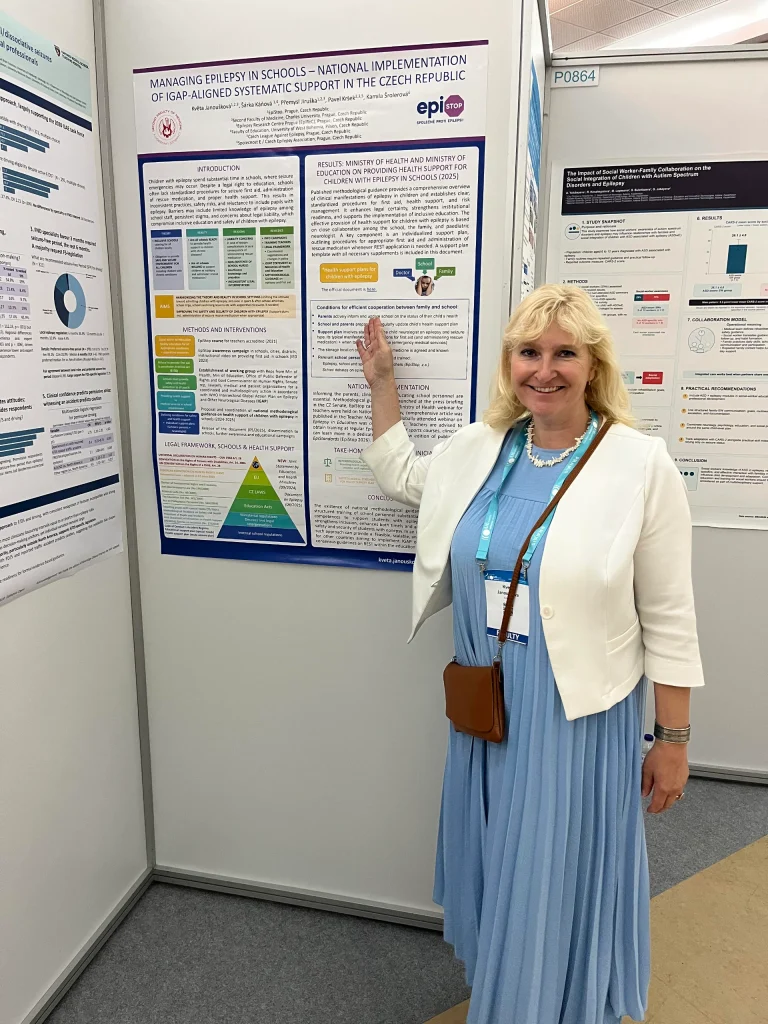
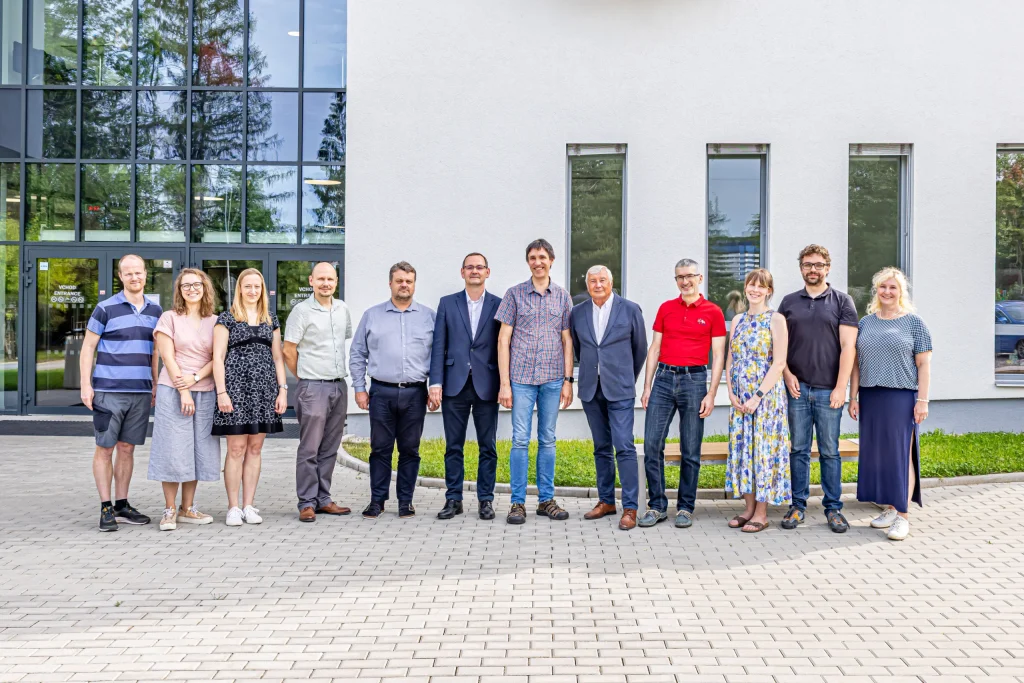
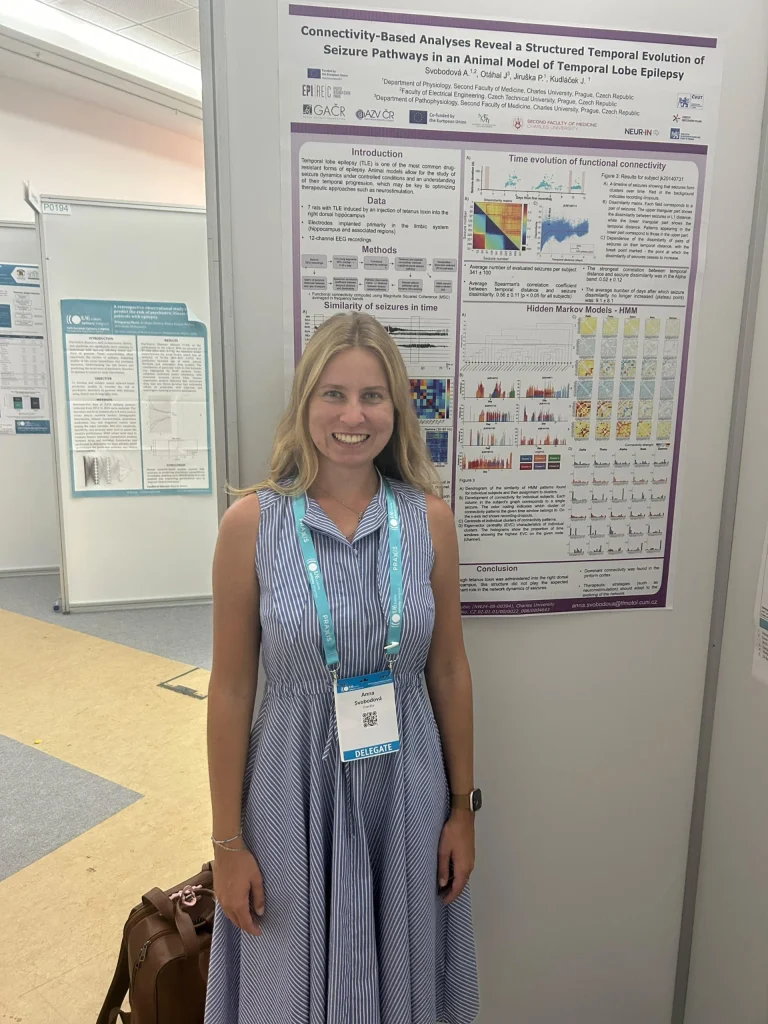
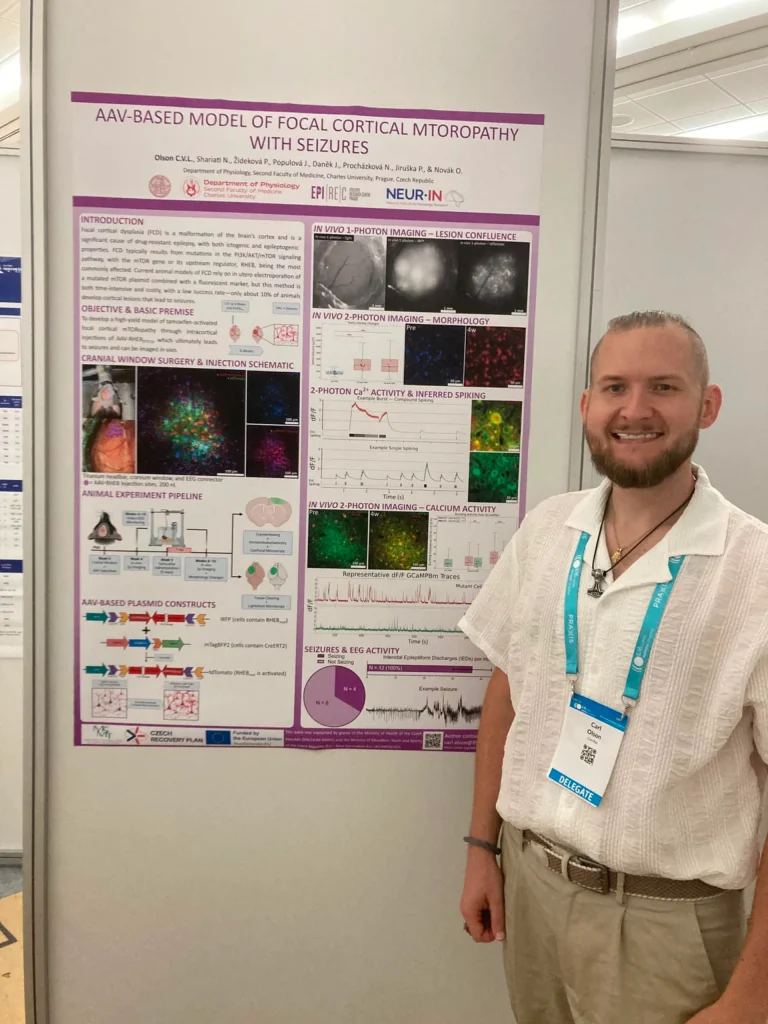
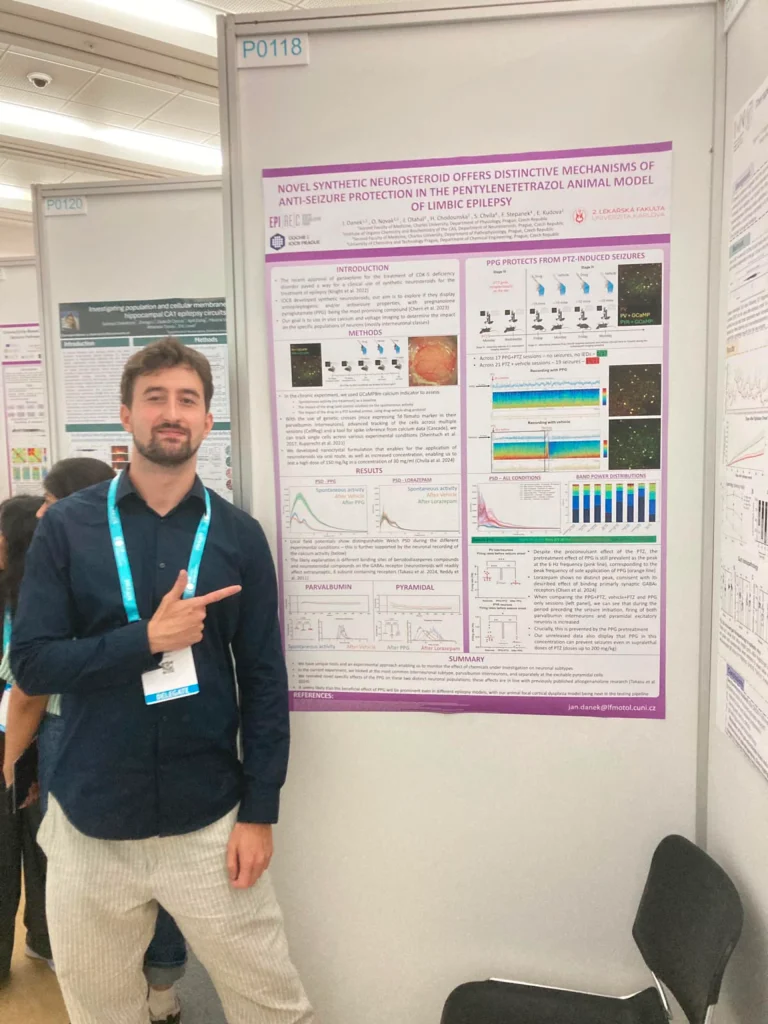
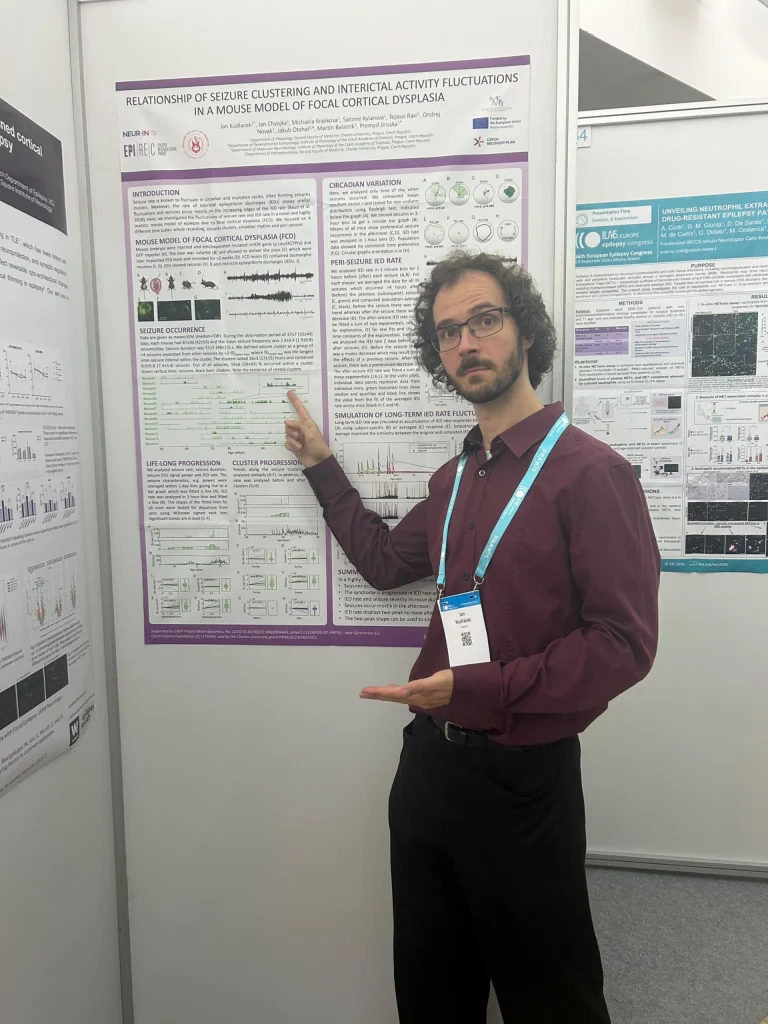
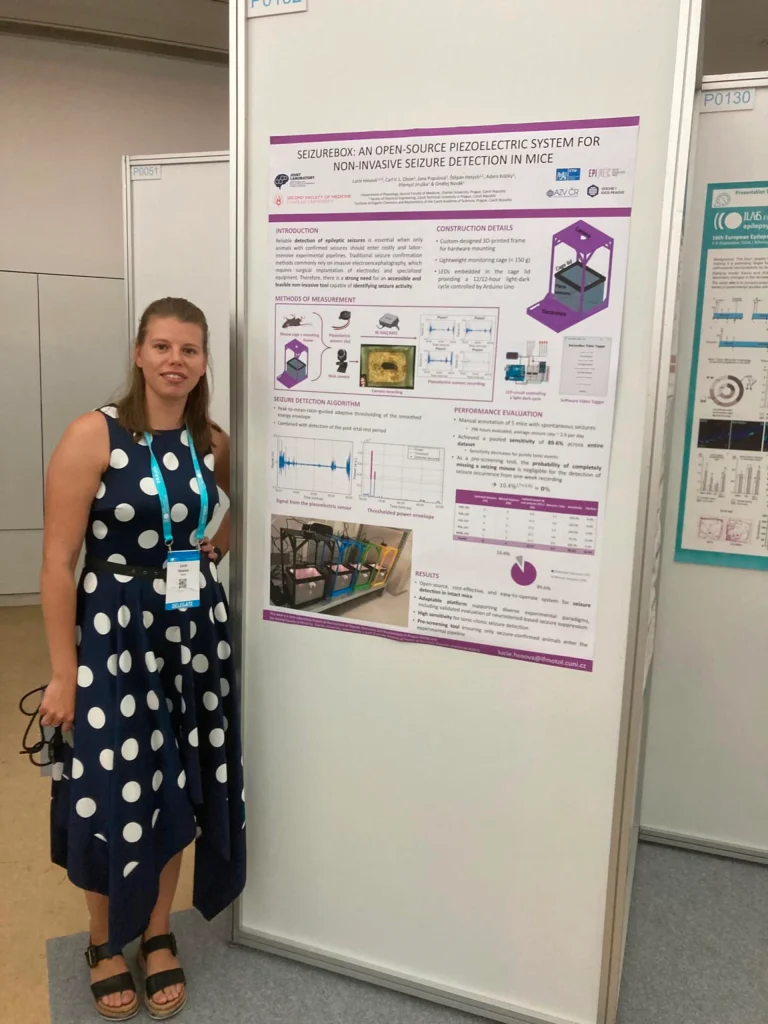
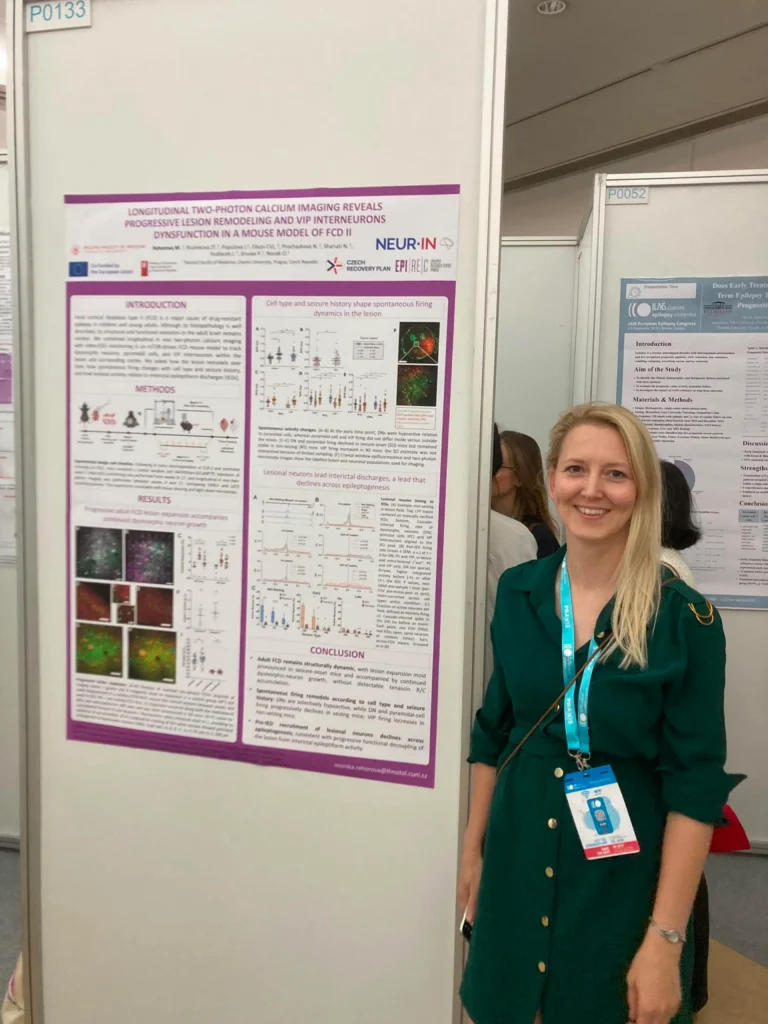
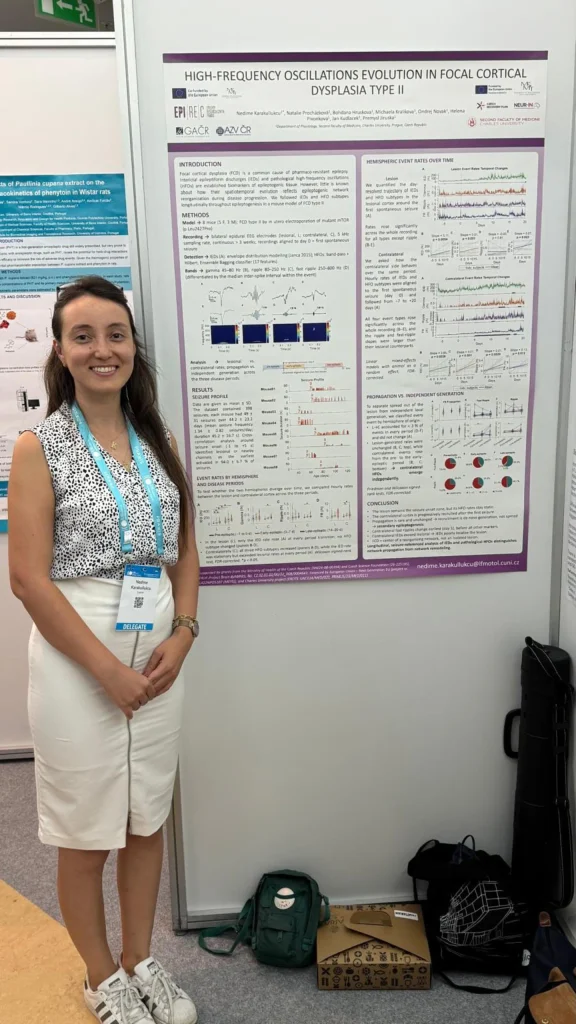
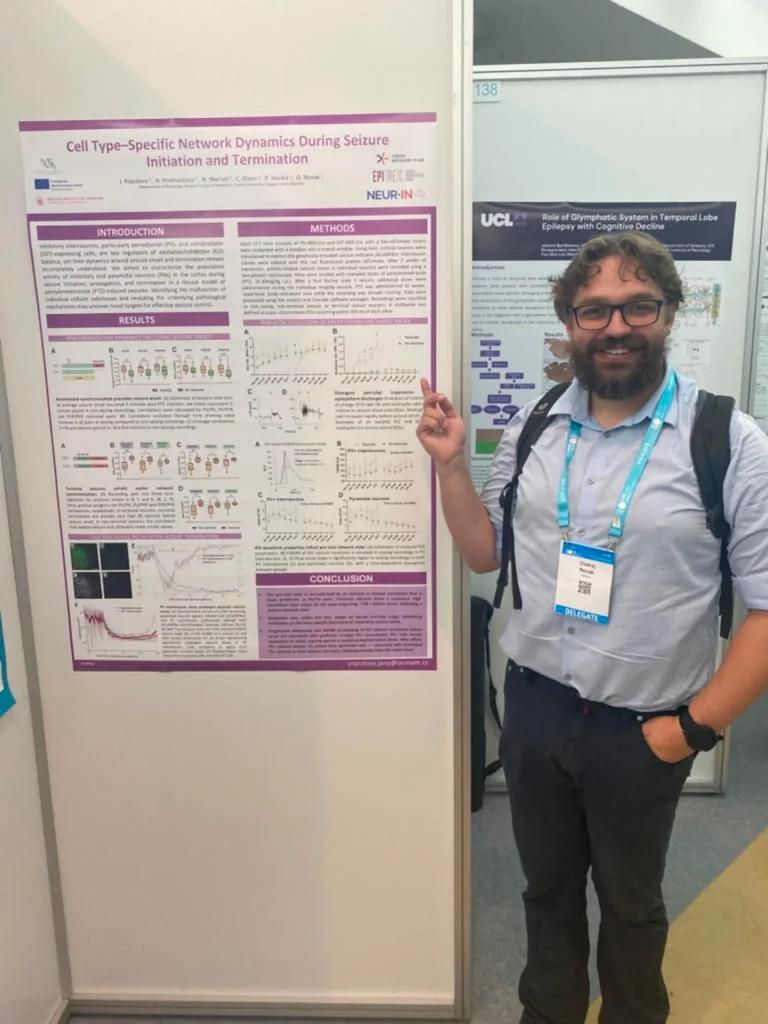
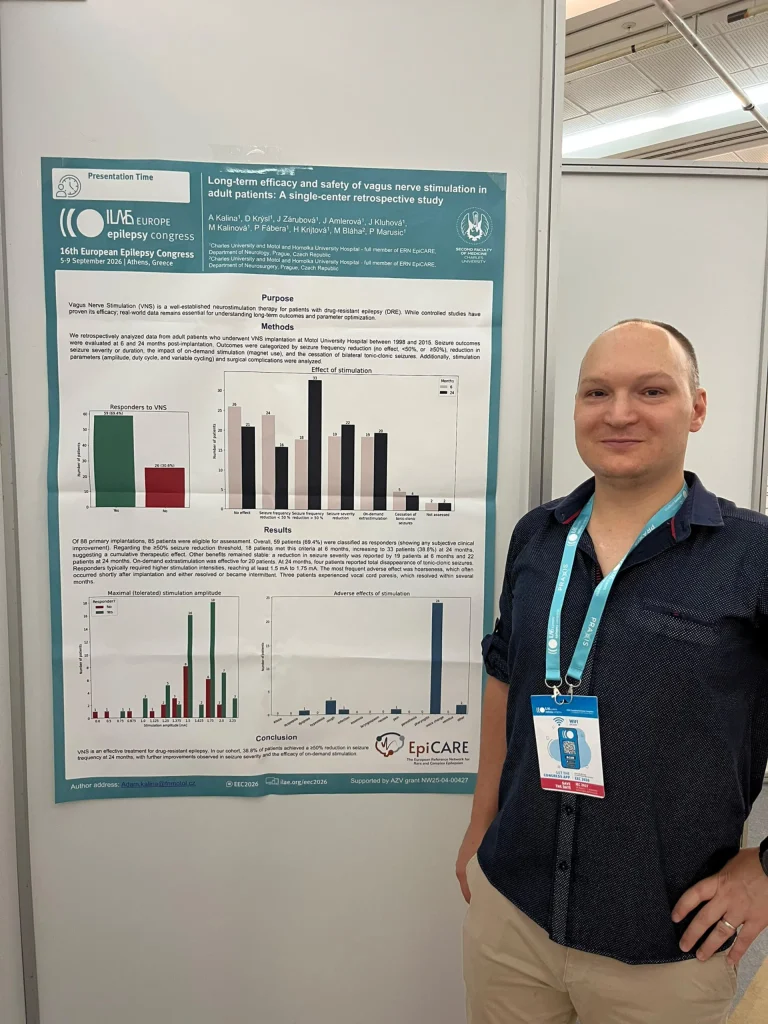
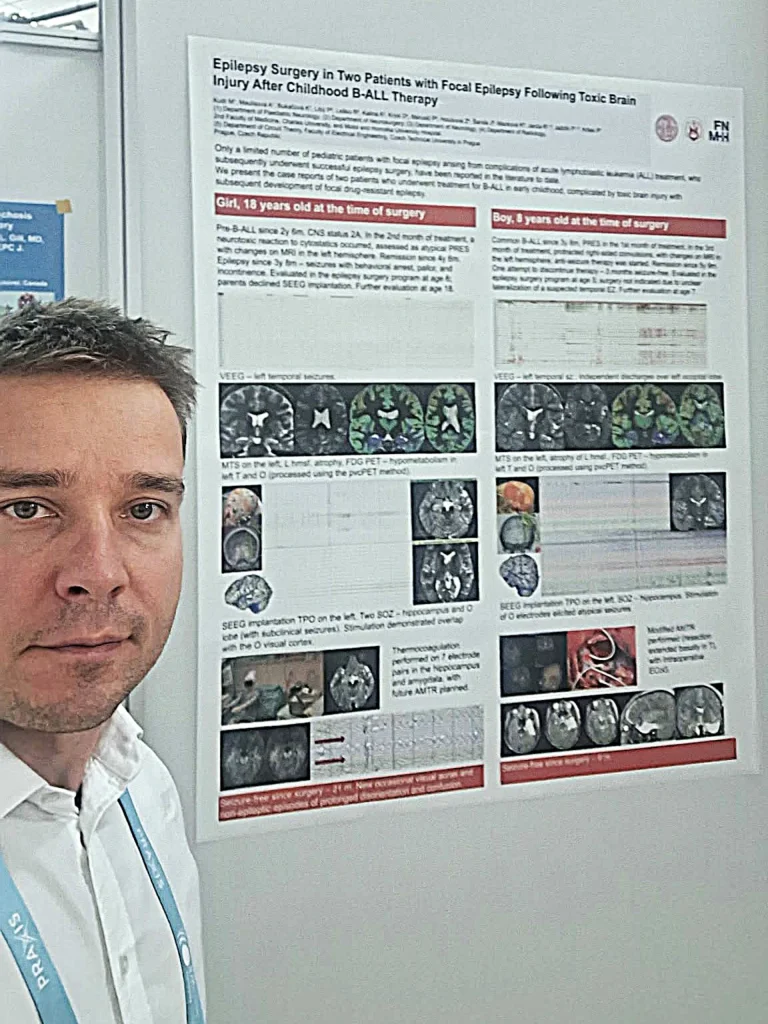
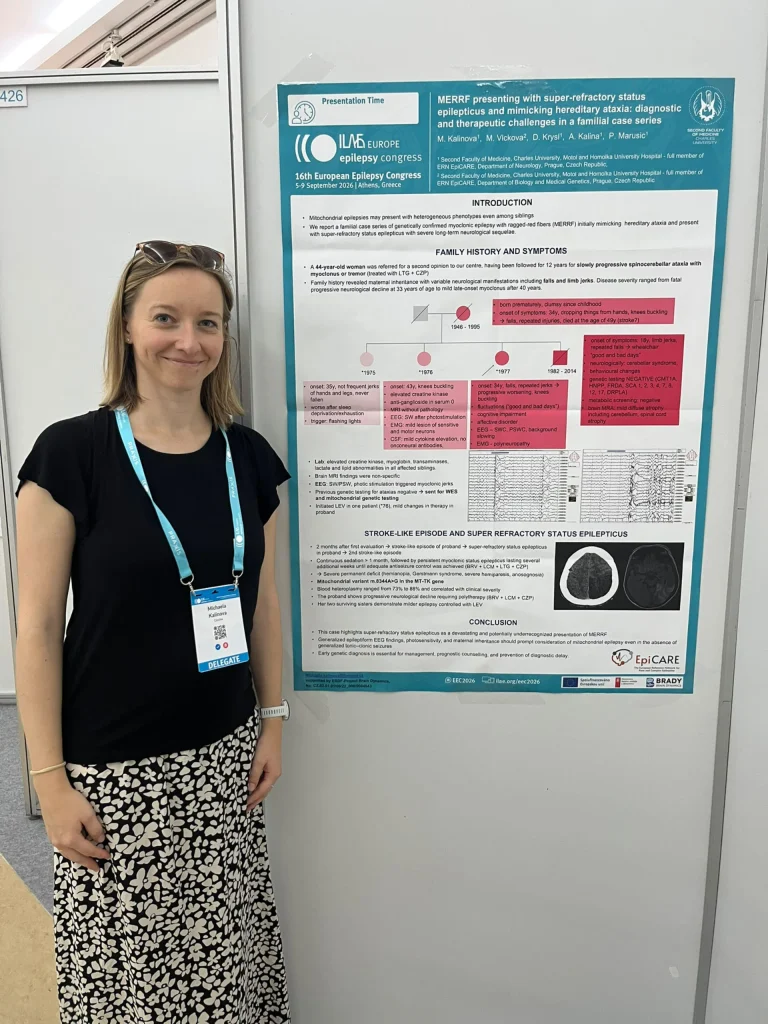
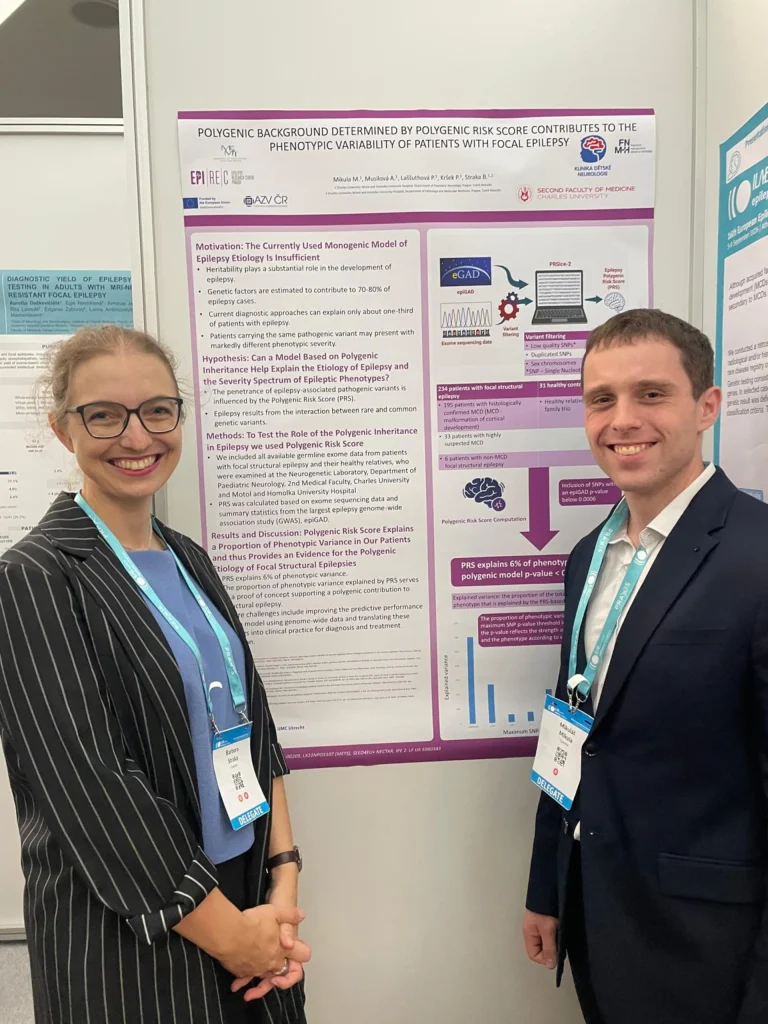
The Czech Republic was strongly represented at the congress, with seven of the eight Czech speakers affiliated with the EpiReC Centre, Second Faculty of Medicine of Charles University, and Motol and Homolka University Hospital. Furthermore, 14 contributions by researchers and clinicians of EpiReC were presented in respective poster sessions, highlighting the breadth and diversity of epilepsy research carried out across the Motol community.
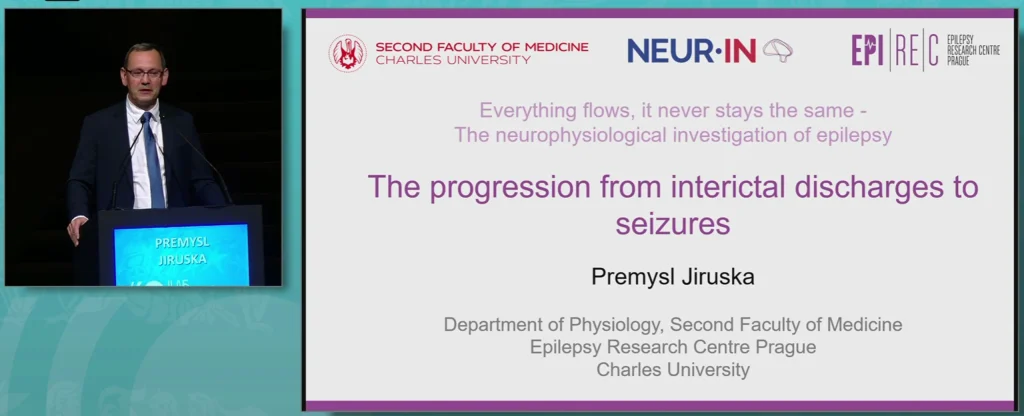
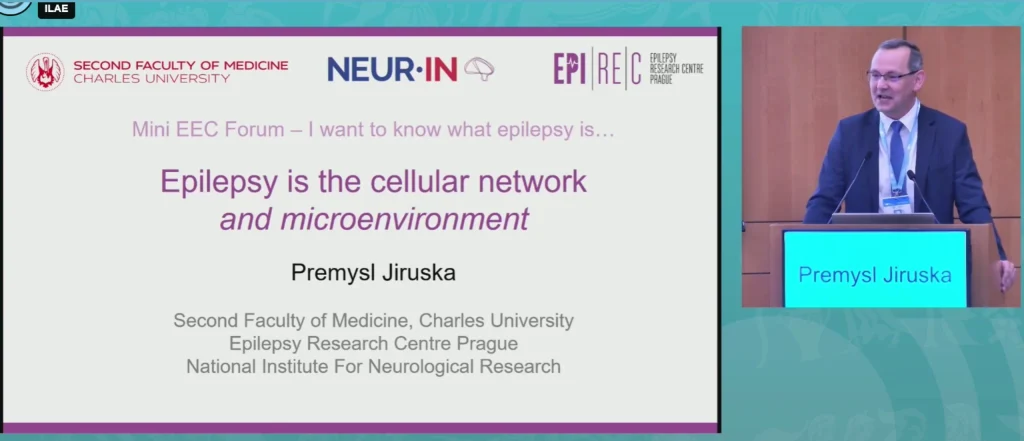
Prof. Přemysl Jiruška, Head of the Department of Physiology, contributed to the scientific programme several times. He presented the project of dedicated epilepsy web portal, explored epilepsy from the perspective of neuronal network disorders, and discussed the role of interictal discharges in the development of epileptic seizures.
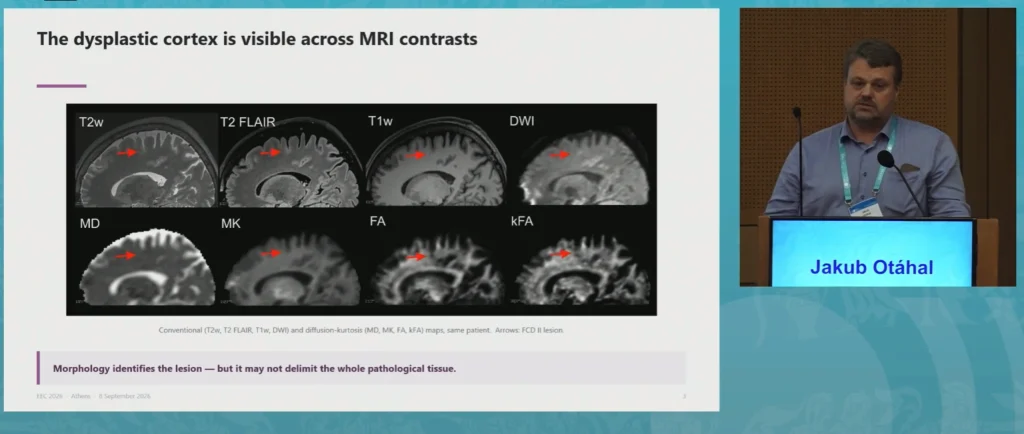
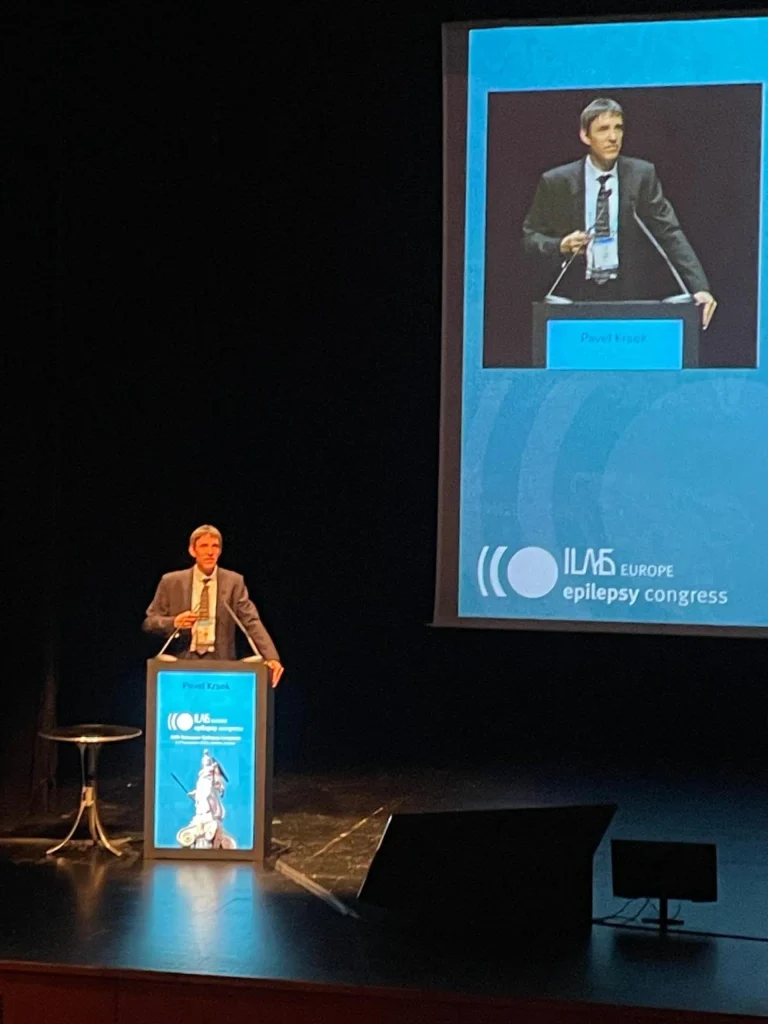
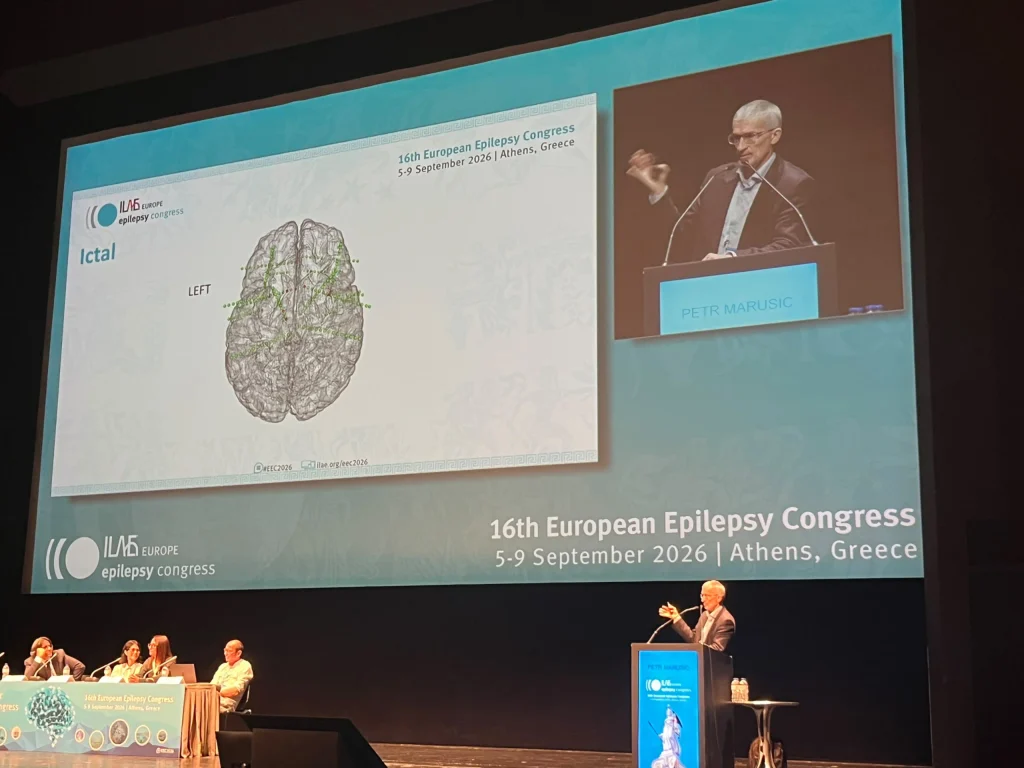
Prof. Jakub Otáhal, Head of the Department of Pathophysiology, presented recent advances in neuroimaging. Prof. Pavel Kršek, Head of the Department of Paediatric Neurology, focused on new developments in epilepsy surgery. Prof. Petr Marusič, Head of the Department of Neurology, co-chaired a session on stereo-electroencephalography (SEEG) and also presented his own contribution on the topic.
The congress also featured two important contributions from leaders of EpiReC research teams.
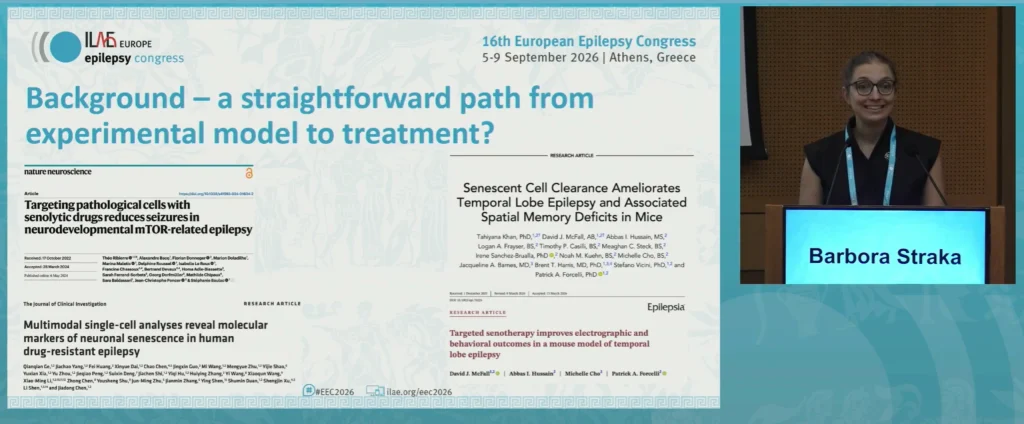
Neurogeneticist Assoc. Prof. Barbora Straka presented findings from the Motol University Hospital’s neurogenetics laboratory on markers of cellular senescence in epilepsy associated with focal cortical dysplasia type II (FCD II).
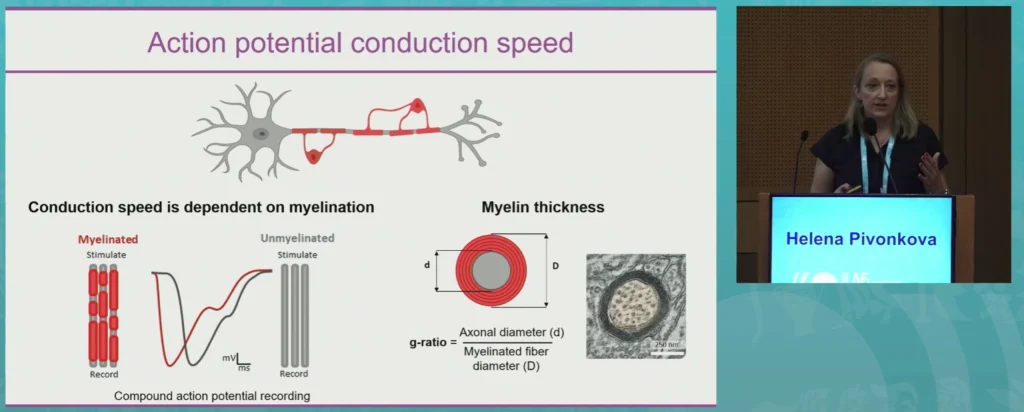
Dr. Helena Pivoňková from the Department of Physiology presented research on the role of oligodendrocytes and myelin plasticity in epilepsy. The contribution of neuroglial interactions to epileptogenesis remains relatively underexplored and represents a particularly promising area for further research.
“Time is Brain” — from research to real-life impact
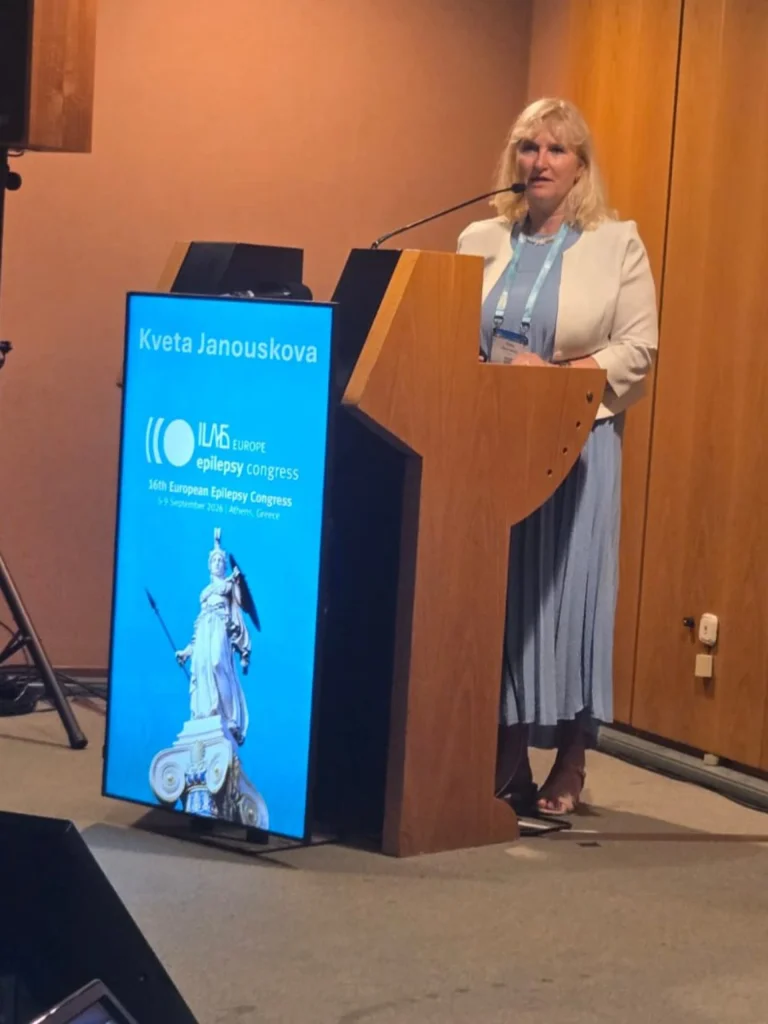
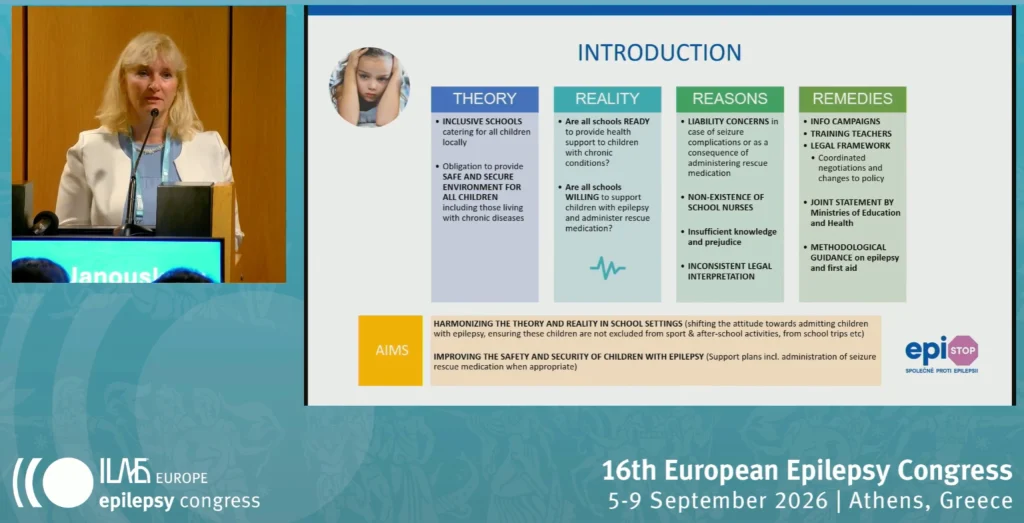
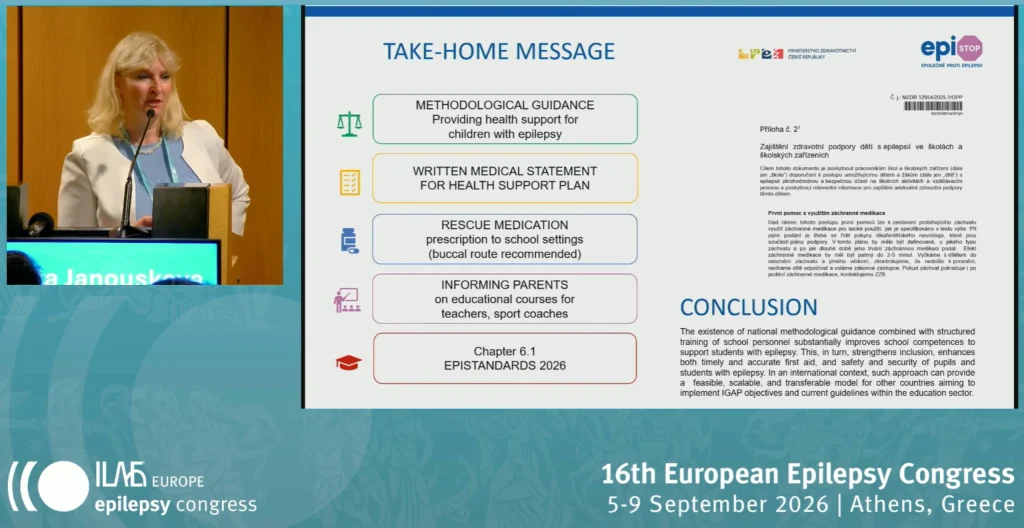
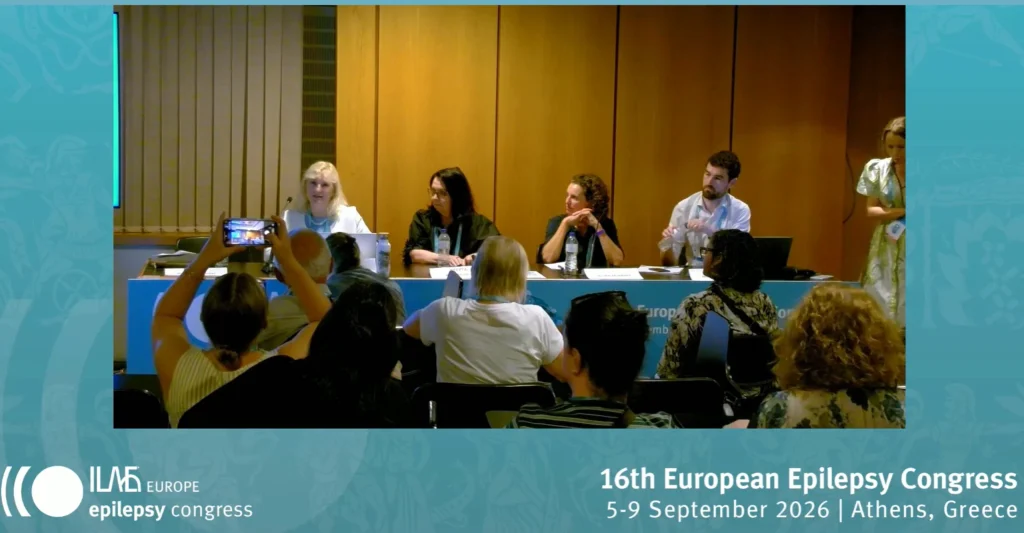
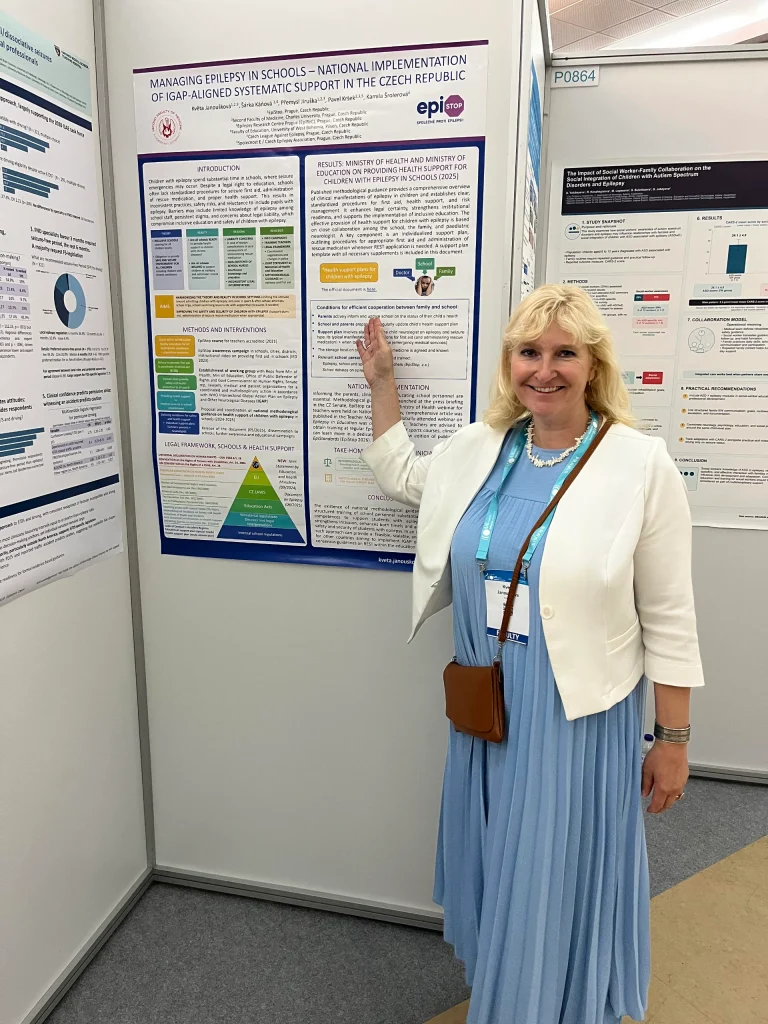
Motol delegation was also represented by Mgr. Květa Janoušková, MA, EpiReC and EpiStop Manager at the Second Faculty of Medicine. Together with Donna Walsh, Executive Director of the International Bureau for Epilepsy (IBE), she moderated a discussion forum entitled Time is Brain, focusing on first aid and seizure management outside clinical settings.
The forum highlighted an international expert consensus on the importance of timely termination of certain types of epileptic seizures through the use of rescue medication in everyday non-medical settings. It also showcased recent initiatives aimed at improving the safety and inclusion of children with epilepsy in Czech schools, a Dutch initiative focused on protecting the health and well-being of adults with epilepsy, and a successful public awareness campaign from Ireland.
A strong international footprint
The growing international presence of epilepsy specialists from Motol is a testament to the high international standing of Czech epileptology and to the continued development of Prague’s EpiReC Centre. It also reflects the strong position of the Second Faculty of Medicine in epilepsy research and the high standard of specialist clinical care provided to people with epilepsy at ERN EpiCARE Centre in Motol and Homolka University Hospital.
We are proud to see so many colleagues contributing their expertise to the international epilepsy community and representing Czech epileptology on the world stage.